Transforming Recovery: Just How Dr Lundquist Is Using Bpc-157, Tb-500, And Regenerative Treatments To Increase Recovery
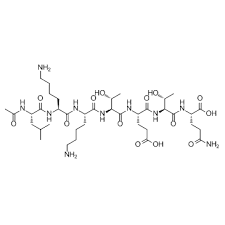
Recuperation Peptide Mix Bpc-157 Tb-500 Kpv In Houston Huemn Recovery Peptide Therapy TB4 can upregulate VEGF via HIF-1α stablizing and involve paths connected to cell survival KPV and matrix renovation; TB-500, as the active theme, is theorized to utilize overlapping courses. The LKKTET(Q) motif binds G-actin, buffering monomers and managing polymerization so cells can rapidly restructure their cytoskeleton and relocate into damaged cells. TB-500 is a brand/formulation name for a short TB4-derived peptide-- especially the N-acetylated 17-- 23 piece (LKKTETQ) of thymosin β4 (the actin-binding concept). The declarations on this website have not been assessed by the U.S . The products and information given by Vow Research study are not planned to diagnose, deal with, heal, or protect against any kind of illness.
Does BPC-157 assist arthritis discomfort?
A peer-reviewed post (Lee et al., Alternative Therapies in Wellness & & Medication, ~ 2021) explains: 12 patients with chronic knee pain. Treated with intra-articular BPC-157, often combined with TB-500. 7 of 12 reported sign improvement lasting numerous months.
Muscle Injury And Recuperation
- Routine physician follow-ups to track development, readjust methods, and guarantee optimal therapeutic end results.
- For major injuries preventing surgical treatment, the business economics are compelling-- but the lawful and safety and security dangers should be considered.
- With peptide and regenerative medication, the future of recovery is right here-- and it's offered right in your neighborhood.
Bpc-157 & Tb-500 Blend And Cells Repair Work
We are not a compounding drug store or intensifying center as specified under Section 503A of the Federal Food, Drug, and Aesthetic Act, neither are we an outsourcing facility as defined under Area 503B. These neuroprotective effects placement BPC 157 as a prospective encouraging therapy Take a look at the site here for CNS problems and mind injuries. It might sustain the repair of abscess and minimize damages triggered by non-steroidal anti-inflammatory drugs (NSAIDs) such as aspirin and diclofenac. Nonetheless, these accounts remain personal experiences, not peer-reviewed clinical trials. Rigorous studies are still needed to confirm whether these peptides provide regular cause people. BPC-157 and TB-500 combine to accelerate healing, lower swelling, and support optimal recuperation for both day-to-day wellness and athletic performance! This sophisticated peptides mix promotes cells repair, joint health, and overall strength. The mix of BPC-157 and TB-500 offers one of the most flexible and efficient devices in regenerative and practical medication today. With effective effects on injury recovery, swelling resolution, and tissue recuperation, this peptide duo is reinventing how we support healing and long-lasting wellness. We check your progression closely and change your therapy plan if required. Several people see measurable enhancement within 4 to 6 weeks, with continued healing beyond that point. As a result, research laboratories can gather clear and repeatable information across multiple research study phases. → Both peptides are usually considered well-tolerated in preclinical researches, but moderate injection-site responses, nausea or vomiting, lightheadedness, or rare sensitive actions have actually been reported. → Some procedures match them, with TB-500 sustaining systemic recovery and BPC-157 targeting regional tendon/ligament recovery. Although both TB-500 and BPC-157 are normally considered well-tolerated in preclinical studies, individuals should know possible side effects. Private feedback can differ, and all peptide use need to be kept track of under clinical guidance. From a performance-recovery viewpoint, cell studies recommend BPC-157 can up-regulate the growth-hormone receptor in tendon fibroblasts-- potentially priming tissue for remodeling alongside rehabilitation. Some benefits like minimized swelling and boosted recuperation might appear within days, while full tissue regeneration and architectural healing continue developing over the full 6-12 week procedure and beyond. BPC-157 (Body Security Compound-157) and TB-500 (a synthetic variation of a natural healthy protein called Thymosin Beta-4) are short chains of amino acids referred to as peptides. These compounds occur naturally in the body and play essential duties in cellular regeneration, tissue fixing, and swelling control. BPC-157 is an artificial 15-amino-acid peptide whose series represents a partial fragment of a human stomach protein. It is among one of the most frequently referenced peptides in preclinical and in-vitro angiogenesis and cytoprotection study, and an usual subject in lab assay growth. All 3 peptides reveal appealing results in preclinical and early clinical studies, however even more research study is required to verify their long-lasting safety and security and efficacy. BPC-157 and TB-500 are both recognized for their capacity in tissue repair and inflammation modulation, but they differ in their origins and mechanisms. Pet researches [5] recommend local shots might have greater impacts on muscle mass, tendons and tendons, yet safety and efficacy in humans are still under examination. Lots of patients follow a first procedure over a couple of months, after that reassess to choose whether to proceed, adjust, or shift right into a lighter maintenance strategy. Normal physician follow-ups to track development, change procedures, and ensure ideal therapeutic results. Our medical group guides you via every step of your multi-peptide healing trip.